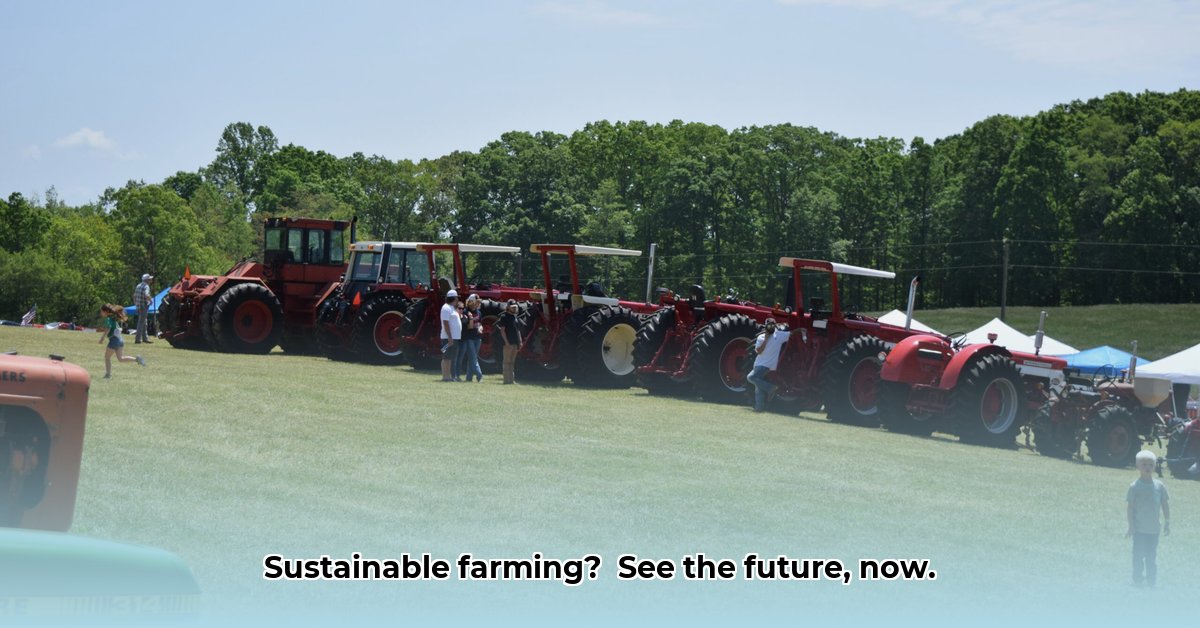
South Carolina's tractor shows are more than nostalgic gatherings; they're vibrant testaments to the state's agricultural heritage. The familiar smells of engine grease and freshly turned earth, coupled with the friendly banter of farmers, paint a vivid picture of generations of hard work. But beyond the classic machinery, a significant shift is underway: a growing embrace of sustainable farming practices. This isn't simply about "going green"; it's about building more resilient, profitable, and environmentally friendly farms. This article explores the dynamic interplay between tradition and transformation, highlighting how old and new farming methods are converging to shape South Carolina's agricultural future. For more on sustainable farming initiatives, check out the Green Tractor Scheme.
Tradition Meets Transformation: A Changing Landscape
A recent "Power from the Past" tractor show showcased gleaming antique tractors, a powerful symbol of agricultural ingenuity. Weeks later, the atmosphere shifted dramatically at the SOWTH 2025 conference, where the focus was squarely on environmentally friendly farming techniques. This juxtaposition isn't coincidental—it reflects a significant evolution in South Carolina's agricultural landscape. Farmers are navigating a complex balancing act: honoring their heritage while adapting to the urgent need for sustainable practices. How are they succeeding, and what challenges lie ahead?
Sustainable Farming: Challenges and Opportunities
South Carolina's transition to sustainable agriculture presents both significant challenges and exciting opportunities. Many smaller farms struggle to afford new, often more expensive, eco-friendly methods. Government support and clear policies are crucial; financial aid and readily accessible resources could significantly impact adoption rates. But the potential benefits are considerable. The growing consumer demand for sustainably produced food creates a lucrative market for farmers who can meet it. This shift could redefine South Carolina's agricultural identity and even its economic trajectory. Isn't it striking that consumer demand is a powerful catalyst for this positive change? This market opportunity presents a compelling economic argument for sustainability.
Actionable Strategies for Sustainable Farming
How can South Carolina's farms successfully move towards sustainable practices? The following table outlines actionable steps for various stakeholders:
| Stakeholder | Short-Term Actions | Long-Term Goals |
|---|---|---|
| Small Fruit & Vegetable Farms | Participate in workshops & training; adopt best practices. | Diversify crops, add value through processing, and secure grants. |
| Large-Scale Farms | Assess feasibility of sustainable practices; pilot projects. | Transition to major sustainable methods; explore carbon credits & renewables. |
| SOWTH Conference Attendees | Network with peers & experts; implement newly learned techniques. | Advocate for supportive policies; initiate collaborative farming projects. |
| State Government | Increase funding for agricultural research and extension programs. | Develop incentive programs for sustainable farming; invest in local food systems. |
| Consumers | Shop at farmers' markets; choose sustainably produced food. | Demand transparency and ethical sourcing from producers. |
Mitigating Risks in Sustainable Agriculture
While promising, sustainable farming strategies also present inherent risks. The following table outlines key areas and practical mitigation strategies:
| Technology/Practice | Risk Level | Mitigation Strategies |
|---|---|---|
| Transitioning to Sustainable Practices | Moderate | Phased transition, financial aid, comprehensive training, mentorship programs |
| Adopting New Technologies | Low-Moderate | Pilot programs, shared risk initiatives, robust technical assistance |
| Climate Change Impacts | High | Diversified crops, drought-resistant varieties, smart water management |
| Market Price Fluctuations | Moderate | Value-added products; direct-to-consumer sales; robust risk management strategies |
Tractor Shows: Platforms for Change
South Carolina's tractor shows, while deeply rooted in tradition, offer an ideal platform to champion sustainable agriculture's future. Imagine exhibits showcasing water-saving irrigation techniques or presentations on cutting-edge precision agriculture technologies. These events can become dynamic showcases, blending heritage and innovation, demonstrating that progress and preservation are not mutually exclusive. This transformation could create an effective bridge between tradition and innovation, fostering a stronger, more resilient agricultural system. Doesn't this blend of past and future present tremendous potential for education and outreach? It's a chance to instill sustainable practices in the very heart of South Carolina’s agricultural community.
Securing Funding for Sustainable Farming
The path towards sustainable farming requires financial resources. While opportunities exist, navigating the funding landscape presents significant challenges for South Carolina's farmers.
Funding Challenges and Opportunities
Securing funding for sustainable practices is not always easy. Government programs often favor larger organizations, leaving smaller farms behind. This inequality necessitates creative strategies and strong advocacy. The Specialty Crop Block Grant Program and the American Rescue Plan's Local Food Purchase Assistance (LFPA) Program offer potential avenues, but eligibility requirements are rigorous. This disparity highlights the fundamental need for increased access to funds for smaller farms looking to implement sustainable practices. What innovative solutions can bridge this gap? Expanding microloan programs specifically designed for sustainable agriculture could be a game-changer.
Cover Crops: A Sustainable Investment
Cover crops like inter-seeding, particularly during summer months, offer significant ecological and economic benefits. Studies demonstrate yield improvements and enhanced soil health, yet initial costs remain a barrier for many farmers. Grants and low-interest loans are needed to remove funding obstacles and hasten adoption. Isn't it vital to support research highlighting the financial, as well as environmental, benefits of this practice? Highlighting the long-term cost savings alongside the immediate benefits could sway reluctant farmers.
Strategies for Securing Funding
A multi-pronged approach is needed to secure funding.
Short-Term (0-1 Year):
- Strategic Partnerships: Collaborate with nonprofits or cooperatives to access grant opportunities.
- Explore Alternatives: Investigate traditional loans, crowdfunding, or private investment from environmentally conscious sources.
- Knowledge Enhancement: Attend workshops on sustainable farming and grant writing.
Long-Term (3-5 Years):
- Policy Advocacy: Support policies expanding grant access for small-scale farmers.
- Sustainable Practices: Implement proven sustainable methods to improve yield consistency and reduce long-term costs.
- Market Specialization: Focus on niche markets (sustainable/organic) that command higher prices, enabling reinvestment.
The future of South Carolina agriculture hinges on embracing sustainable practices. Through strategic partnerships, proactive planning, and a commitment to responsible farming, the state's farmers can build a prosperous and sustainable future for generations to come.